
Historical Marker Program
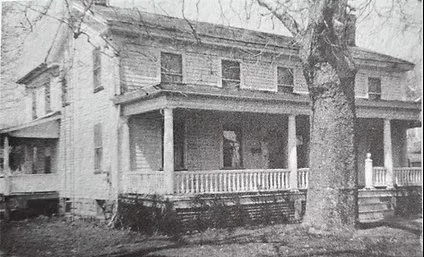
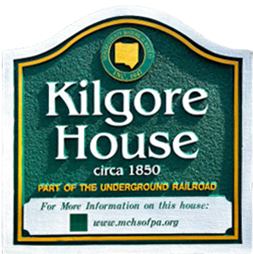
Discover our exclusive Historical Marker for Mercer County, PA, celebrating homes, businesses, and farms that are over a century old. The application process is simple, and we're here to assist you in getting qualified. Please note, these are distinct from State Historic Markers! They are designed to showcase the unique architecture and rich history of our local community!
Overview of Program
Section 1: Historical Significance
Section 2: Previous Owners or Notable Residents
Section 3: Documentation of Historical Significance
Section 4: Restoration or Preservation Efforts
Section 5: Marker Inscription
Section 6: QR Code, Online Presence, & Public Sharing
Section 7: Description of Home for Visitors
Section 8: Sign Specifications and Costs
Overview of the Historical Marker Program
The Mercer County Historical Society is proud to introduce the Historic Marker Program, aimed at recognizing and preserving the rich history of Mercer County. This initiative allows local homeowners, businesses, and farms to showcase their property's historical significance through a professionally crafted marker displayed prominently on their property. This program is dedicated to highlighting local history and is separate from the National Register of Historic Places.
Purpose of the Program
The purpose of this program is to educate the public and promote awareness of the unique historical assets within our community. By participating, property owners contribute to a larger effort to map out and celebrate the unique narratives that have shaped Mercer County. Participants also benefit from increased visibility, becoming part of a dedicated tour route that attracts tourists and history enthusiasts.
Sign Specifications and Costs:
Size and Design: Each marker is 18 inches by 18 inches, designed to complement the historical character of your property.
Cost: The cost for each sign is $350. This fee covers the manufacturing of the marker, its design, and support for the ongoing preservation efforts of MCHS.
Supporting Local Historical Societies: If a sign is sold by another historical society within Mercer County, $50.00 of the proceeds will go to that society. Applicants should indicate this on their application.
Section 1: Historical Significance
Exploring the architectural style, unique construction details, significant events, historical preservation, and the broader cultural relevance of your property.
Understanding Historical Significance
The historical significance of a property encompasses various elements that collectively narrate its past. This section is crucial for understanding and appreciating the unique value of your property within the context of local, and potentially national, history. By articulating this significance, you provide insight into the property’s architectural, cultural, and historical importance. Consider the following examples and prompts to guide your response:
Elements to Include in Your Description
Construction Era:
Provide the approximate date when the property was built.
Architectural Style and Features:
Describe the architectural style of your property (e.g., Federal, Victorian, Colonial, Craftsman) and any unique architectural features. Are there any rare or unique construction techniques or materials used in your home, such as hand-hewn beams, locally sourced stone, or original log walls? Include details such as the type of construction materials used, distinctive elements like gables, columns, stained glass windows, hand-carved woodwork, decorative trim, or any other original features that have been preserved.
Significant Events:
Highlight any major historical events associated with the property. This could include its use during significant local or national events, any role it played in historical movements, or events that took place on the property that had lasting community impact. For example, was it involved in the Underground Railroad, or visited by a historical figure?
Connection to Local Industry or Economy:
Was your home connected to the local industry, agriculture, or economy in a meaningful way? For instance, was it built as a farmhouse for a significant local farm, or did it house workers from a local mill or factory?
Original Artifacts or Items:
Does your home contain any original artifacts or items of historical significance, such as period furniture, tools, documents, or other objects passed down through generations?
Historical Alterations, Restorations, or Preservation Efforts:
Describe any significant historical alterations, restorations, or preservation efforts undertaken. This might include expansions or remodels that reflect a particular era, or projects to restore the home to its original condition using period-appropriate materials.
Section 2: Previous Owners or Notable Residents
Tips on how to research and report on notable individuals associated with your property.
Overview
Detail any known previous owners or notable individuals who have resided at your property, including their significant contributions to the community or historical events that took place at the property.
Notable Residents or Owners
Did any notable figures live in your home? This could include local leaders, politicians, artists, or other individuals who contributed significantly to the community or broader society. Explain the impact they had on the local area or history.
Family History
If your home has been in the same family for generations, provide details about your family’s history and their contributions to the local community. For example, did your ancestors play a role in the town's founding, or were they involved in local industry or agriculture?
Section 3: Documentation of Historical Significance
Advice on what documents to gather and how to present the historical significance of your property.
Understanding the Importance of Documentation
To establish your property's historical significance, it is essential to provide clear, verifiable documentation. These documents serve as the foundation of your application and play a crucial role in authenticating the historical narrative of your home, business, or farm. Proper documentation not only supports your claims but also enhances the credibility and appeal of your property as a recognized historic site.
Types of Documentation to Gather
The following types of documents are valuable in establishing the historical significance of your property:
Property Deeds and Land Records: These documents can trace the ownership history of your property and highlight its longevity and historical context.
Old Maps and Surveys: Maps from different periods can show the presence of your property and changes in the surrounding area over time.
Architectural Blueprints and Building Plans: If available, these can demonstrate the original design and any modifications made to the property, highlighting significant architectural features.
Photographs: Historical photographs provide visual proof of the property’s condition and appearance through the ages. They are particularly useful for comparing past and present states and identifying any historical features that have been preserved or altered.
Newspaper Articles and Publications: Articles that mention your property can establish its involvement in historical events or its significance to the community.
Letters, Diaries, and Personal Documents: Personal writings can offer insights into the lives of people who lived or worked at the property, potentially tying it to significant historical events or trends.
Official Records and Reports: These might include census records, historical registers, or government documents that mention the property or its residents.
When compiling your application, consider arranging documents and facts in chronological order to provide a clear historical timeline that is easy to follow.
Resources for Research
You may find historical documents and information through several resources:
Mercer County Courthouse: Courthouses hold a wealth of records, including property deeds, wills, and legal documents that can trace the ownership history of a property and provide insights into its past.
State and County Archives: These archives contain a variety of records such as land grants, old tax records, and historic property assessments that are invaluable for historical research.
Local Historical Societies: These organizations often have archives filled with photographs, previous research, family histories, and old newspapers that can provide context and additional information about your property.
University Libraries: Many universities have special collections and archives that include manuscripts, early maps, and other documents not available elsewhere.
Genealogical Societies: They can offer assistance in tracing the histories of previous owners or notable residents, which can add personal histories to the narrative of your property.
Online Historical Databases: Websites like Historic Map Works, Ancestry.com, and the National Archives offer digital archives that can be accessed remotely and may hold pertinent information about your property or its occupants.
Local Libraries: Public libraries may have a local history section with unique resources such as city directories, which list historical residents and businesses, and local high school yearbooks.
Real Estate Historic Listings: Sometimes real estate listings for older properties include historical information that has been used in marketing materials, which can be useful if those details are verified.
Section 4: Restoration or Preservation Efforts
Detail the specific restoration and preservation efforts undertaken to maintain and enhance the historical integrity and authenticity of your property.
Purpose of This Section
Understanding and documenting the restoration or preservation efforts made to maintain the historical integrity of your property is crucial. This section provides an opportunity to showcase the care taken to preserve the property's authentic characteristics and enhance its historical value.
Key Elements to Include Overview of Restoration Projects
Describe any major restoration projects undertaken on the property. Include details such as the areas of the property that were restored, the extent of the work, and the historical features that were preserved or restored.
Preservation Techniques
Detail the specific techniques and materials used in preservation efforts to ensure they are historically accurate or sympathetic to the original construction. Mention any traditional craftsmanship techniques employed or the use of period-appropriate materials.
Support from Preservation Entities
If applicable, mention any support or guidance received from historic preservation organizations, government bodies, or heritage consultants. Include details of any grants, awards, or professional advice that helped facilitate the preservation efforts.
Impact on the Property’s Historical Integrity
Discuss the impact of these efforts on enhancing the historical integrity and value of the property. Explain how these efforts have contributed to the preservation of the property’s history for future generations.
Documentation and Research
Provide information on any research conducted to ensure historical accuracy during the restoration. Mention sources such as old photographs, architectural plans, or historical texts that guided the restoration efforts.
Recognition and Certifications
If the property has been recognized by any historic preservation authorities or received certifications such as a listing on a historic register due to these efforts, detail these recognitions to further substantiate the property's historical value.
Section 5: Marker Inscription
Choosing a concise and captivating marker inscription that encapsulates the unique historical essence of your property.
Purpose of This Section
The suggested inscription for your marker is a concise statement that captures the essence of your home’s historical significance in 12 words or less. This inscription, which will be prominently displayed in the front yard of your home, serves as both an introduction and a highlight of the property's historical importance. It is the first detail visitors will notice, making it crucial that it is both informative and engaging.
Guidelines for Crafting Your Inscription
Brevity and Clarity: Keep the inscription concise and to the point, ensuring it can be easily read and understood at a glance.
Highlight Significance: Focus on the most distinctive or historically significant aspects of your property.
Examples
Historical Event Connection:
“Site of Underground Railroad Safe House”
“Built by Civil War Veteran in 1865”
Architectural Significance:
“Victorian Home with Original 1880s Woodwork”
“Craftsman Bungalow with Hand-Hewn Beams”
Notable Residents:
“Home of Mayor John Smith, 1901-1912”
“Residence of Suffragette Jane Doe”
Cultural or Social Importance:
“Gathering Place for Early Town Meetings”
“Site of the First Local Schoolhouse”
Unique Features:
“Home Features Original Log Walls from 1820”
“Includes Ornate 19th Century Ironwork”
Family Heritage:
“In the Smith Family for Five Generations”
“Farmstead Established by Pioneers in 1840”
Connection to Local Industry:
“Former Blacksmith Shop from the 1870s”
“Original Mill Workers Cottage”
Section 6: QR Code, Online Presence, & Public Sharing
Details on how QR codes enhance visitor engagement with detailed historical content and learn about inclusion in self-guided tours to boost public visibility and community interaction.
Purpose and Functionality
Each marker features a QR code that serves as a digital gateway, directly linking visitors to a dedicated page on the MCHS website. This page provides a comprehensive view of your property's history.
Key Features:
Instant Information Access: By scanning the QR code, visitors gain immediate access to detailed historical narratives and multimedia content about your property.
Enhanced Learning Experience: The dedicated page allows for a deeper exploration of your property’s historical context, architectural details, and significant events, enriching the visitor's experience.
Connection to Mercer County’s Historical Narrative: This digital integration helps situate your property within the broader historical tapestry of Mercer County, providing context and enhancing the educational value of the visit.
Example Pages and Additional Resources
For examples of how your home’s information might be presented, please visit mchsofpa.org and explore our HOME TOURS section. These pages provide a template for how your property’s history will be showcased both on the sign and online.
Public Sharing - Inclusion in the Self-Guided Driving Tour
Participation in the self-guided driving tour is an excellent opportunity for marker owners to further engage with the public and promote their property's historical significance.
Benefits:
Increased Visibility: Being featured on the self-guided driving tour or a special county tour guide map increases public exposure to your property, attracting more visitors and historians interested in local heritage.
No Additional Cost: This inclusion is offered at no extra cost to marker owners, providing a valuable promotional tool without additional financial burden.
Community Engagement: Participation in these tours encourages community engagement and fosters a greater appreciation for local history, as visitors explore multiple historical sites at their own pace.
How to Participate:
Opt-In Feature: Once a collection of markers is established, property owners will be invited to opt into the self-guided tour. Details and logistics will be provided to ensure easy integration.
Promotional Support: MCHS provides promotional materials and online support, highlighting tour routes and featured properties to maximize visitor traffic and engagement.
Section 7: Description of Home for Visitors
An engaging narrative for your property’s dedicated web page.
Purpose of This Section
Craft a compelling narrative for your property that will be featured on its dedicated page on the MCHS website. This narrative should succinctly encapsulate the key historical features and stories associated with your home, providing a rich and engaging summary that attracts and educates visitors.
Key Elements to Include
Introduction to the Property:
Begin with a brief introduction that sets the historical context of the property, mentioning its age, architectural style, and any defining historical events or figures associated with it.
Detailed Historical Features:
Highlight the unique historical features of the property, such as original architectural elements, any restorations it has undergone, and how these contribute to the character and historical value of the home.
Significant Events and Anecdotes:
Describe any notable events or interesting anecdotes connected to the property. This could include historical significance in local or national events, stories about its construction, or tales of its most famous residents.
Cultural and Community Impact:
Discuss the role the property has played in the local community and culture. This could encompass its use as a community gathering place, involvement in significant community events, or how it reflects the cultural heritage of the area.
Section 8: Sign Specifications and Costs
Necessary details about the requirements and benefits of the marker program, as well as the responsibilities involved in participating.
Purpose of This Section
This section outlines the key details regarding the design, cost, and broader implications of participating in the Mercer County Historical Society’s local guide of historic homes, businesses, and farms.
Sign Specifications and Costs
Size and Design: Each marker is 18 inches by 18 inches, designed to complement the historical character of your property.
Cost: The cost for each sign is $350. This fee covers the manufacturing of the marker, its design, and support for the ongoing preservation efforts of MCHS.
Supporting Local Historical Societies: If a sign is sold by another historical society within Mercer County, $50.00 of the proceeds will go to that society. Applicants should indicate this on their application.
Participation Benefits
Preservation and Promotion: By participating, you contribute to preserving and sharing Mercer County’s rich history. Your property will be featured in our local guide, which is not associated with the National Register of Historic Places but is dedicated to local heritage.
Community Engagement: Participation helps educate the community and visitors, enhancing the local appreciation of historical sites.
Narrative Refinement
Editing Process: To ensure clarity and consistency, our team may refine the narrative you provide about your home’s history. This may involve edits for grammar, style, and length to preserve the key details and character of your submission.
Additional Information Requests: If necessary, we may contact you for further information or clarification to ensure your property’s story is accurately represented.
Photos and Privacy Considerations
Photo Submission: When submitting photos, please focus on highlighting unique architectural features or providing an overall exterior shot of your property.
Interior Photos: If submitting interior photos, ensure that no valuable personal items are visible, to maintain your privacy.